Source Japanese Style Hand Cup Brush for Kitchen, Office, Travel
Compare 30 listings for the japanese style hand cup brush designed for kitchen, office, and travel cleaning. Buyers can evaluate specifications like bristle material, handle type, and customization options from verified suppliers in China; compare the available evidence and request quotations based on your requirements.
Key considerations
Products List







Comprehensive Sourcing Guide
Japanese Style Hand Cup Brush Sourcing Guide
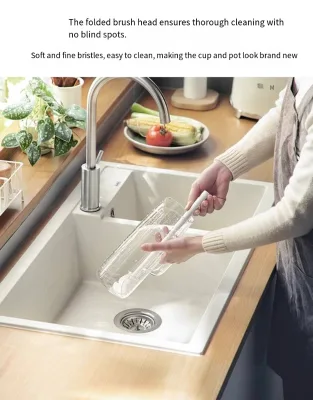
Sourcing Japanese-style hand cup brushes requires a nuanced understanding of both aesthetic expectations and functional hygiene standards. These tools are typically designed for delicate cleaning tasks, often featuring ergonomic handles and soft bristles that cater to the meticulous nature of traditional Japanese cleaning practices. Buyers must distinguish between mass-produced generic items and those that genuinely reflect the refined design principles associated with the style, such as minimalism and high-quality material finishes. The market offers a variety of options, ranging from simple plastic models to more sophisticated designs incorporating natural fibers or specialized microfiber materials.
The procurement process involves evaluating suppliers who can deliver consistent quality across different product lines. Many manufacturers in China offer customization options, allowing buyers to tailor the brush size, bristle length, and handle material to specific brand identities. It is crucial to verify that the supplier understands the specific requirements of the "hand cup" application, which often implies a compact, handheld design suitable for cleaning narrow openings or intricate surfaces. Understanding these distinctions helps in selecting suppliers who can meet both aesthetic and functional demands without compromising on durability or safety.
Product Scope and Observed Listing Signals
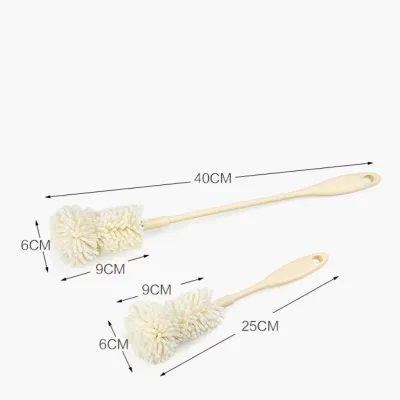
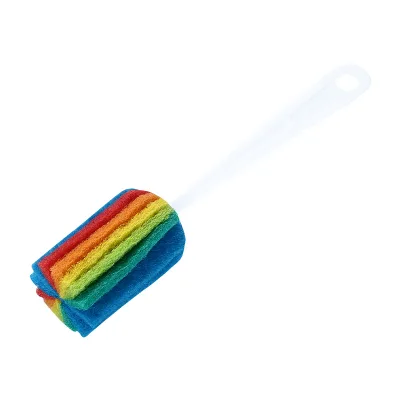
The observed product listings reveal a diverse range of specifications, indicating a broad market scope for cleaning brushes. Models such as AM25703B and AM25702 suggest variations in size and standard, with dimensions ranging from 2.5 inches to 8 inches. These listings highlight the availability of different bristle materials, including copper, steel, and microfiber, which cater to varying cleaning intensities. The presence of sponge-style attributes and specific sizes like 256cm and 406cm points to a focus on ergonomic design and user comfort, essential for hand-held cleaning tools.
Color options observed include red, yellow, beige, and iridescent finishes, allowing for visual differentiation in retail environments. The packaging details, such as blister cards and carton quantities, indicate a readiness for both individual retail sale and bulk distribution. Some listings mention eco-friendly features and custom printing capabilities, suggesting that buyers can align products with sustainability goals or brand-specific marketing strategies. These signals provide a clear picture of the available product variety, enabling buyers to make informed decisions based on their specific market needs and customer preferences.
Technical Specifications to Verify
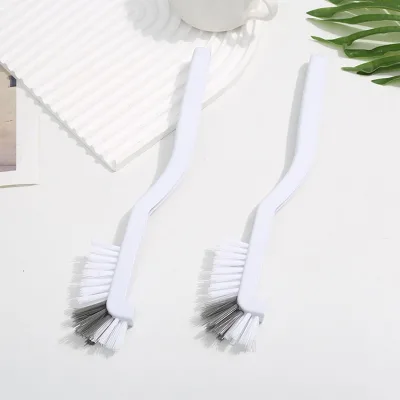
Verifying technical specifications is critical to ensuring the product meets functional requirements. Buyers should confirm the exact dimensions and bristle length, as these factors directly impact cleaning efficiency and user comfort. The material composition of the bristles, whether microfiber, sponge, or other synthetic fibers, must be validated for durability and suitability for the intended cleaning surface. Additionally, the handle material, often plastic, should be assessed for grip comfort and resistance to wear and tear during repeated use.
Standardization of product models, such as AM25701/S and 1602, provides a reference point for consistency, but buyers must ensure that the specific batch matches these standards. The single package size and carton packing details are essential for logistics planning, affecting storage and shipping costs. Buyers should also verify the customization options available, such as custom logo printing and color acceptance, to ensure that the final product aligns with their brand identity and marketing requirements.
Compliance and Safety Documentation
Compliance with safety standards is paramount, especially for products that come into contact with cleaning agents or food-related surfaces. Buyers must request documentation confirming adherence to relevant certifications, such as ISO 9001 and RoHS, which indicate quality management and restricted hazardous substances compliance. These certifications provide assurance that the manufacturing process meets international standards for safety and environmental responsibility.
Additionally, buyers should verify that the materials used, particularly the bristles and handles, are free from harmful chemicals and are safe for their intended use. For products marketed as eco-friendly, specific documentation supporting these claims should be requested to avoid greenwashing. Ensuring that the supplier provides clear and verifiable compliance documentation helps mitigate legal risks and enhances consumer trust in the product's safety and quality.
Cost Drivers and Commercial Terms
Cost drivers for Japanese-style hand cup brushes include material quality, customization complexity, and order volume. The use of premium materials like microfiber or specialized plastics can increase unit costs, while custom printing and logo application add to the overall expense. Buyers should analyze the minimum order quantities (MOQ), which range from 120 to 4000 pieces, to determine the most cost-effective order size for their business model.
Commercial terms such as sample lead times and delivery schedules are also significant factors. Sample lead times of 5-7 days and delivery times of 7-15 days impact inventory planning and time-to-market. Buyers should negotiate clear terms regarding shipping methods, such as ocean freight or express couriers like DHL and FedEx, to manage logistics costs and ensure timely delivery. Understanding these commercial dynamics helps in budgeting accurately and maintaining a competitive edge in the market.
Supplier Qualification and Quality Control
Supplier qualification involves assessing their manufacturing capabilities, quality control processes, and track record. Buyers should verify the supplier's location, often in regions like Zhejiang, China, known for its manufacturing expertise. It is essential to conduct audits or request third-party inspection reports to ensure that the supplier adheres to strict quality standards and maintains consistent production quality.
Quality control measures should include regular inspections of raw materials, in-process checks, and final product evaluations. Buyers should establish clear acceptance criteria for defects, such as bristle shedding or handle breakage, and ensure that the supplier has robust procedures for addressing these issues. Building a strong relationship with a qualified supplier ensures long-term reliability and minimizes the risk of supply chain disruptions.
Long-Term Procurement Checks
Long-term procurement checks focus on maintaining product quality and supplier performance over time. Buyers should implement periodic reviews of supplier performance, including delivery reliability, product consistency, and responsiveness to issues. Regular feedback loops with the supplier can help identify areas for improvement and foster a collaborative relationship.
Additionally, buyers should stay updated on market trends and regulatory changes that may impact product requirements. This includes monitoring advancements in bristle materials or eco-friendly manufacturing processes that could offer competitive advantages. By proactively managing these aspects, buyers can ensure that their procurement strategy remains aligned with business goals and market demands, securing a sustainable supply of high-quality Japanese-style hand cup brushes.
FAQs
What certifications do the brushes have?
The brushes hold ISO 9001 and RoHS certifications. These standards ensure quality management and restrict hazardous substances. Buyers can verify these credentials when reviewing product specifications for compliance with international safety requirements.
Which materials are used for the bristles?
Bristles are made from microfiber or sponge materials. This choice supports effective cleaning while remaining gentle on surfaces. The specific material depends on the selected model and intended application for kitchen or general cleaning tasks.
Can I request custom printing on the product?
Yes, custom printing and logo customization are available. Suppliers accept requests for unique branding on the handles or packaging. This service allows buyers to create distinct products tailored to their specific brand identity and market needs.
What is the minimum order quantity for these items?
Minimum order quantities vary between 120 and 4000 sets depending on the model. Specific listings show MOQs of 1200 sets or 120-240 pieces. Buyers should confirm the exact requirement for their chosen product variant before placing an order.
How long does it take to receive samples?
Sample lead time is typically 5 to 7 days. Suppliers offer samples to allow buyers to verify quality before bulk production. This short turnaround helps streamline the decision-making process for potential large-scale procurement agreements.
Where are these products manufactured?
Products originate from Zhejiang, China. This location is a known hub for manufacturing cleaning tools and household items. Buyers can expect efficient logistics and established supply chains when sourcing from this specific region.
What packaging options are available for shipping?
Packaging includes blister cards with 80 pieces per carton or 24 pieces per carton. Some items use standard cartons for protection. These options ensure safe transport and convenient handling during international shipping via ocean or courier services.